If your home was built a few decades ago, there's a good chance it still has single-glazed windows. While this was once the standard, many homeowners are now choosing to upgrade to double glazing to improve comfort, reduce condensation, and make their homes easier to heat.
But what exactly is the difference, and is double glazing worth considering for your home?
What is Single Glazing?
Single glazing is exactly what it sounds like: one pane of glass between you and the outdoors.
While it lets in plenty of natural light, it provides limited insulation. During winter, heat can escape more easily through the glass, while in summer, unwanted heat can make its way indoors.
What is Double Glazing?
Double glazing uses two panes of glass separated by a sealed air or gas-filled space.
That gap acts as an insulating barrier, helping to reduce heat transfer through the window. The result is a home that is generally easier to keep at a comfortable temperature throughout the year.
What Difference Does Double Glazing Make?
Homeowners often notice a number of benefits after upgrading, including:
- A warmer, more comfortable home during winter
- Reduced condensation on windows
- Less outside noise
- Improved energy efficiency
- Reduced reliance on heating and cooling
The exact results will vary from home to home, but many people are surprised by the difference upgrading the glass can make.
What About Low E Glass?
Not all double glazing is the same.
Low E (low emissivity) glass includes a special coating designed to improve thermal performance even further. It helps reflect heat back into the home during winter while reducing unwanted heat gain during warmer months.
For homeowners looking to maximise energy efficiency and comfort, Low E glass is often worth considering.
Do I Need New Windows?
Not necessarily.
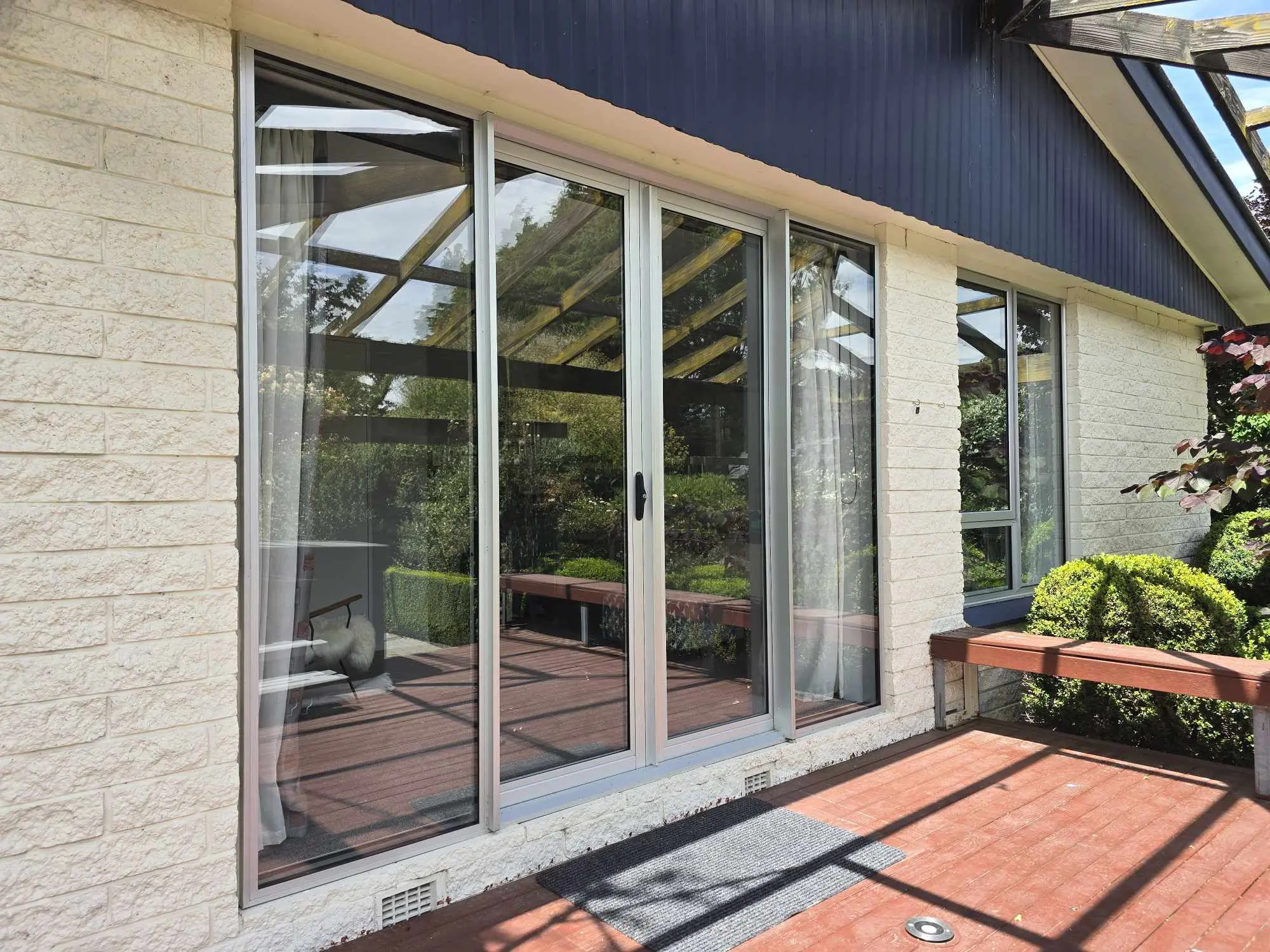
In many cases, existing timber or aluminium joinery can be retrofitted with double-glazed units, meaning you may be able to upgrade the performance of your windows without replacing the entire frame.
This can often be a more practical and cost-effective option than a full window replacement.
What Does Double Glazing Cost?
One of the most common questions we get is about cost.
The reality is that every home is different. The size and number of windows, the type of joinery, and the glass specification all influence the final price.
Many homeowners are pleasantly surprised to learn that upgrading to double glazing doesn't always mean replacing every window and door in the house. In many cases, retrofit double glazing can provide significant improvements in comfort and performance while allowing you to retain your existing frames.
The best way to understand the likely cost for your home is to arrange a measure and quote.
Seeing the Difference for Yourself
One thing we've found over the years is that the difference between glazing options is often easier to understand when you can see and feel it for yourself.
In our Darfield showroom, we have timber and aluminium window displays showing before-and-after retrofit examples, along with a heat lamp display that lets you compare single glazing, double glazing, and Low E glass side-by-side. It's a simple way to experience the differences beyond technical specifications.
Is Double Glazing Worth It?
If your home feels cold in winter, suffers from condensation, or is difficult to heat, upgrading from single glazing may be worth considering.
Every home is different, and the best solution will depend on your existing joinery, your budget, and what you're hoping to achieve. If you'd like to learn more about your options, feel free to get in touch with the Hunter Glass team for a chat.